Call us: +255 659 122 583
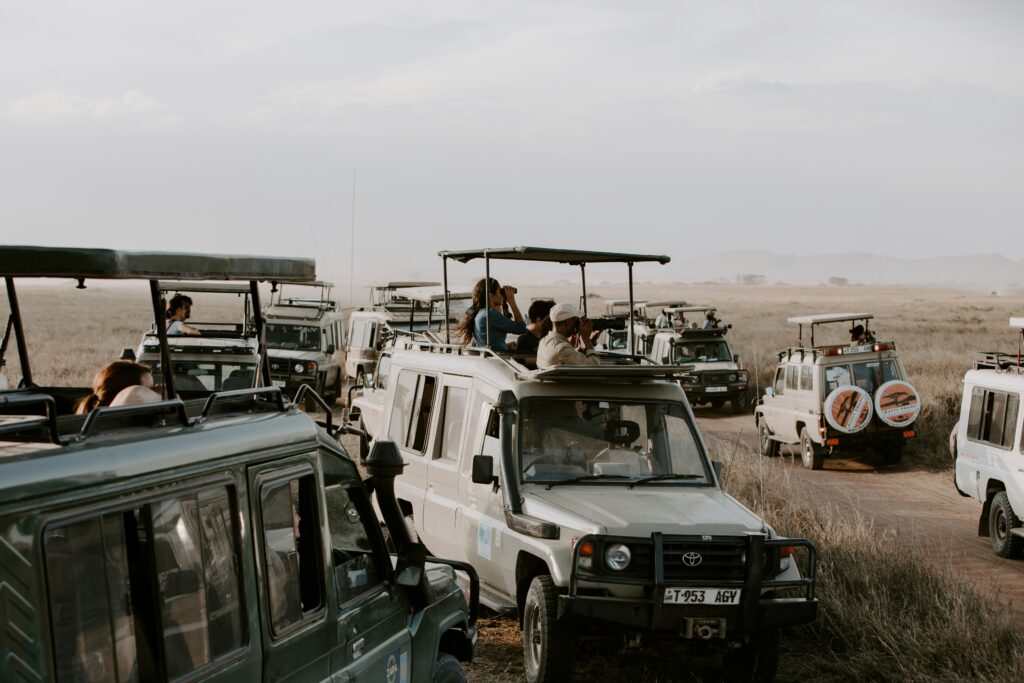
Private Safari vs Group Safari in Tanzania: Which One Should You Book?
When planning a Tanzania safari, one of the biggest decisions...
Read More
Call us: +255 659 122 583
Prices From: From $2,450 per person
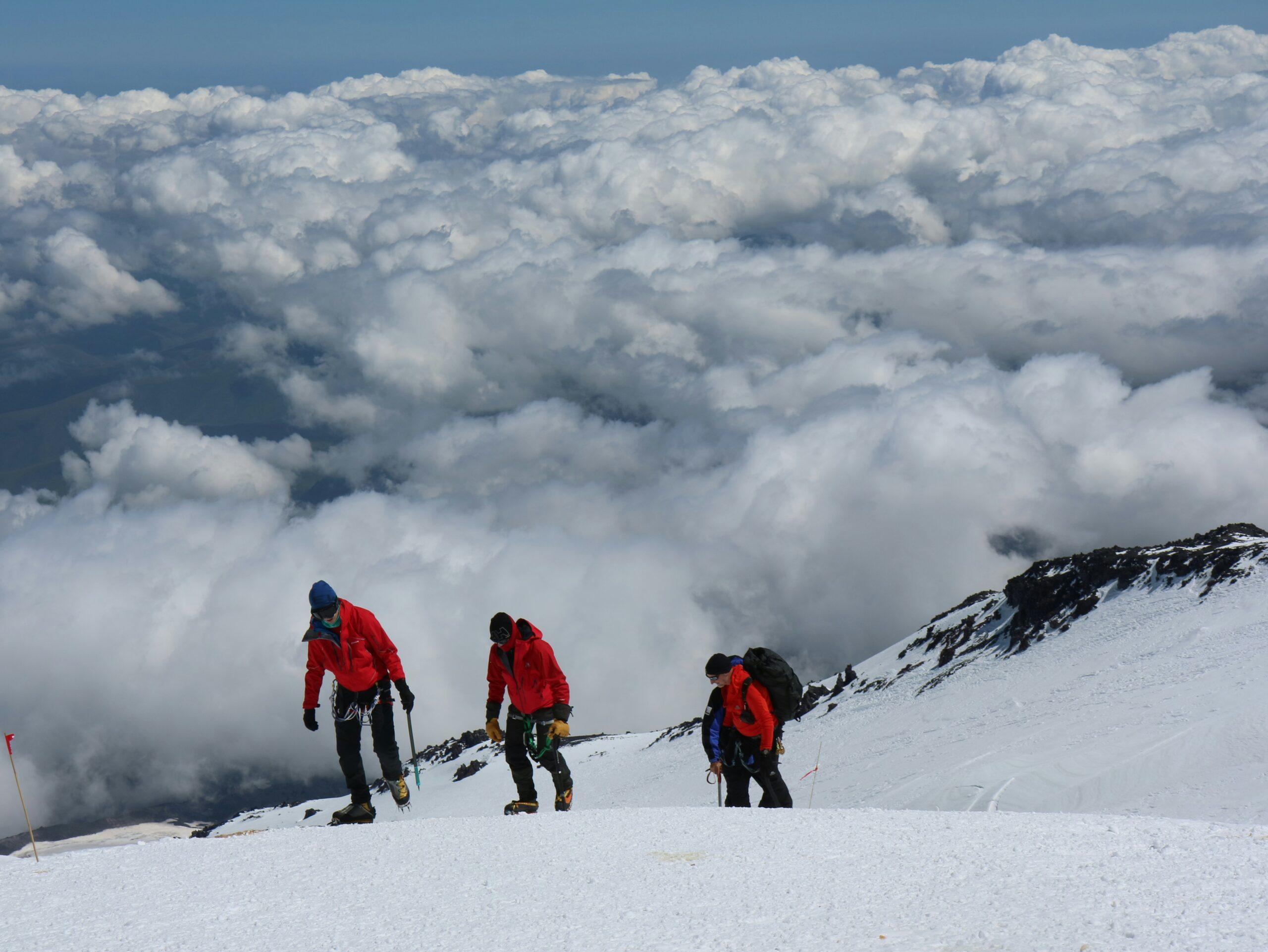
On arrival at Kilimanjaro International Airport, you will be met and transferred to your hotel in Moshi or Arusha. This day is for rest and recovery after your journey and gives you time to settle in before the climb begins.
Depending on your arrival time, you may also have time to relax at the hotel or prepare your gear for the trek ahead. The atmosphere around Kilimanjaro already gives a sense of the adventure to come, especially for travelers seeing the mountain area for the first time.
Meals: Bed & Breakfast or as arranged
Today is dedicated to climb preparation. You will meet your mountain guide for a full briefing, equipment check, and explanation of the route ahead. This is an important part of the experience because it allows you to make sure your gear is suitable and gives you a better understanding of how the climb will unfold day by day.
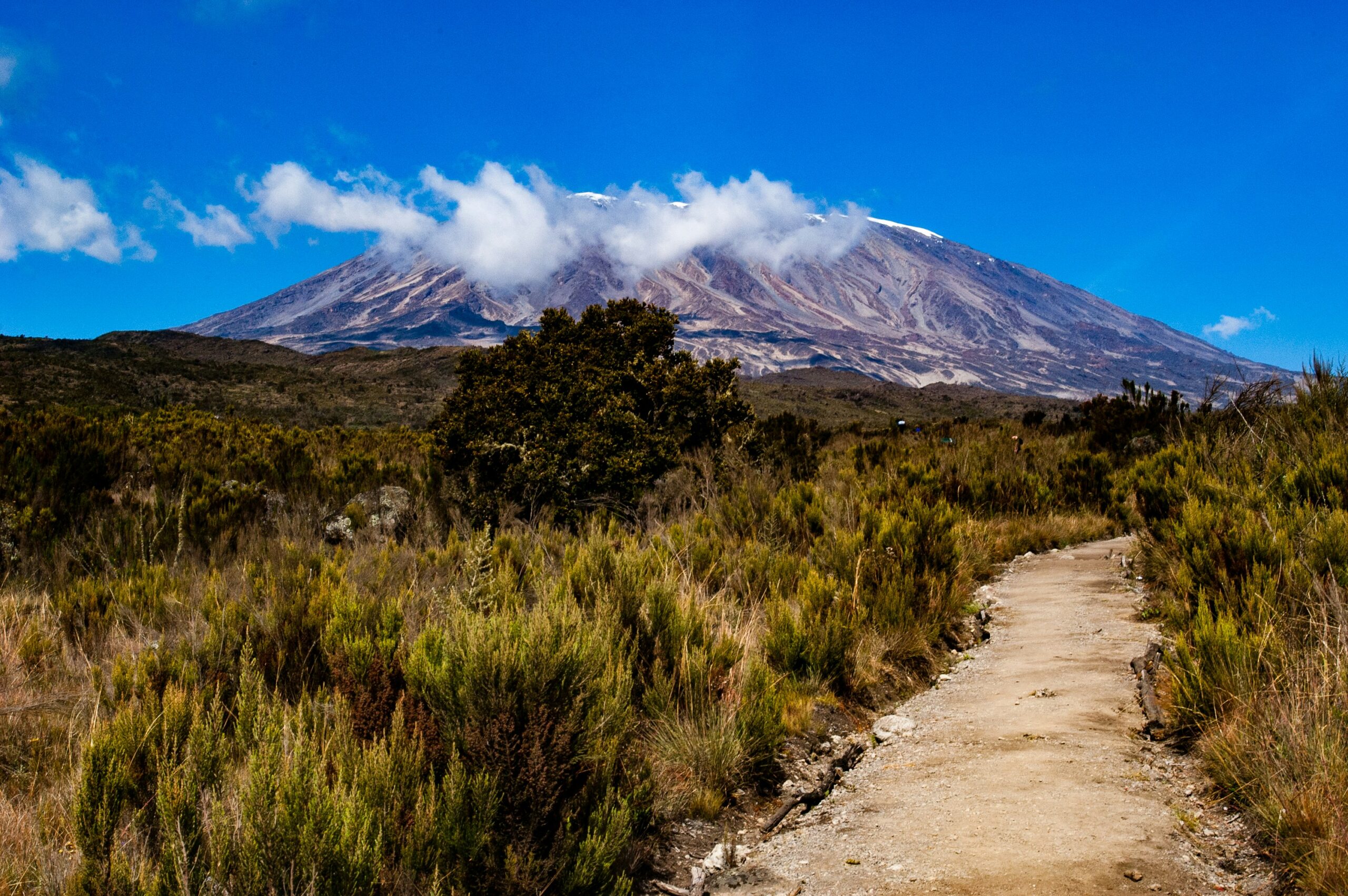
The Machame Route is one of Kilimanjaro’s best-known climbing routes and is often chosen for its scenic beauty and good acclimatization compared with shorter routes. According to Kilimanjaro National Park information, Machame is a camping route that approaches from the south-west and passes through rainforest, moorland, alpine desert, and arctic summit zones.
You will spend the night at the hotel in preparation for the trek starting the following morning.
Meals: Breakfast
After breakfast, you will drive to Machame Gate, where registration is completed and the climb officially begins. The first stage of the trek takes you through lush montane rainforest, one of the most beautiful sections of the mountain. The forest is rich in greenery, birdlife, and misty scenery, creating a dramatic and exciting start to the climb.
This first day is a steady hike that helps you ease into the mountain rhythm while your crew handles camp logistics. By the time you reach Machame Camp, you will already begin to feel the change in altitude and the sense of being fully immersed in the Kilimanjaro experience.
Meals: Breakfast, Lunch, Dinner
Today’s trek takes you out of the rainforest and into the moorland zone, where the scenery changes significantly. The trail becomes more open, with wide views, rocky ridges, and dramatic mountain landscapes replacing the dense forest of the previous day.
As you continue climbing toward Shira Camp, you will notice how quickly Kilimanjaro’s environments change. One of the reasons many climbers love the Machame Route is that it offers a strong sense of progression through multiple ecological zones. Tanzania National Parks states that Kilimanjaro contains several major ecological zones from cultivated slopes and montane forest to heath, moorland, alpine desert, and arctic summit conditions.
You will arrive at camp in the afternoon and have time to rest, take in the views, and prepare for the next day.
Meals: Breakfast, Lunch, Dinner
This is one of the most important acclimatization days on the Machame Route. You will climb higher toward Lava Tower, reaching a significantly greater altitude before descending again to Barranco Camp. This strategy of climbing high and sleeping lower is one of the reasons the Machame Route is considered a good option for acclimatization. Kilimanjaro route guidance from park and trekking sources consistently describes this day as a key acclimatization stage.
The trail passes through alpine desert scenery, where the landscape feels more rugged and exposed. Reaching Lava Tower is often a memorable moment because of the altitude, the dramatic rock formations, and the sense of being in a much harsher mountain environment. After spending some time at higher elevation, you will descend to Barranco Camp, where the giant Barranco Wall rises impressively nearby.
This day can feel challenging, but it plays an important role in helping your body adjust to the mountain.
Meals: Breakfast, Lunch, Dinner
After breakfast, you will begin the day by tackling the famous Barranco Wall, one of the best-known sections of the Machame Route. Although it may look steep from camp, it is not a technical climb, and with guidance from your mountain crew it is usually manageable for most trekkers. The reward is not only the feeling of accomplishment, but also the spectacular views once you are above the wall.
From there, the route continues through a rugged mountain landscape toward Karanga Camp. Compared with the previous day, this stage is shorter, which is helpful for recovery and continued acclimatization. This balance is one reason why a 7-day Machame itinerary is often preferred over a faster version.
You will arrive at Karanga Camp in time to rest and prepare for the next section of the climb.
Meals: Breakfast, Lunch, Dinner
Today you continue climbing toward Barafu Camp, the base camp for your summit attempt. The landscape becomes even more stark and exposed, with the feeling of high-altitude wilderness all around you. By this stage, the mountain environment is very different from where you began a few days earlier in the rainforest.
On arrival at Barafu Camp, you will have an early dinner and rest as much as possible because the summit push begins around midnight. This is often one of the most mentally important stages of the journey, as climbers prepare for the longest and most demanding part of the entire trek.
Meals: Breakfast, Lunch, Dinner
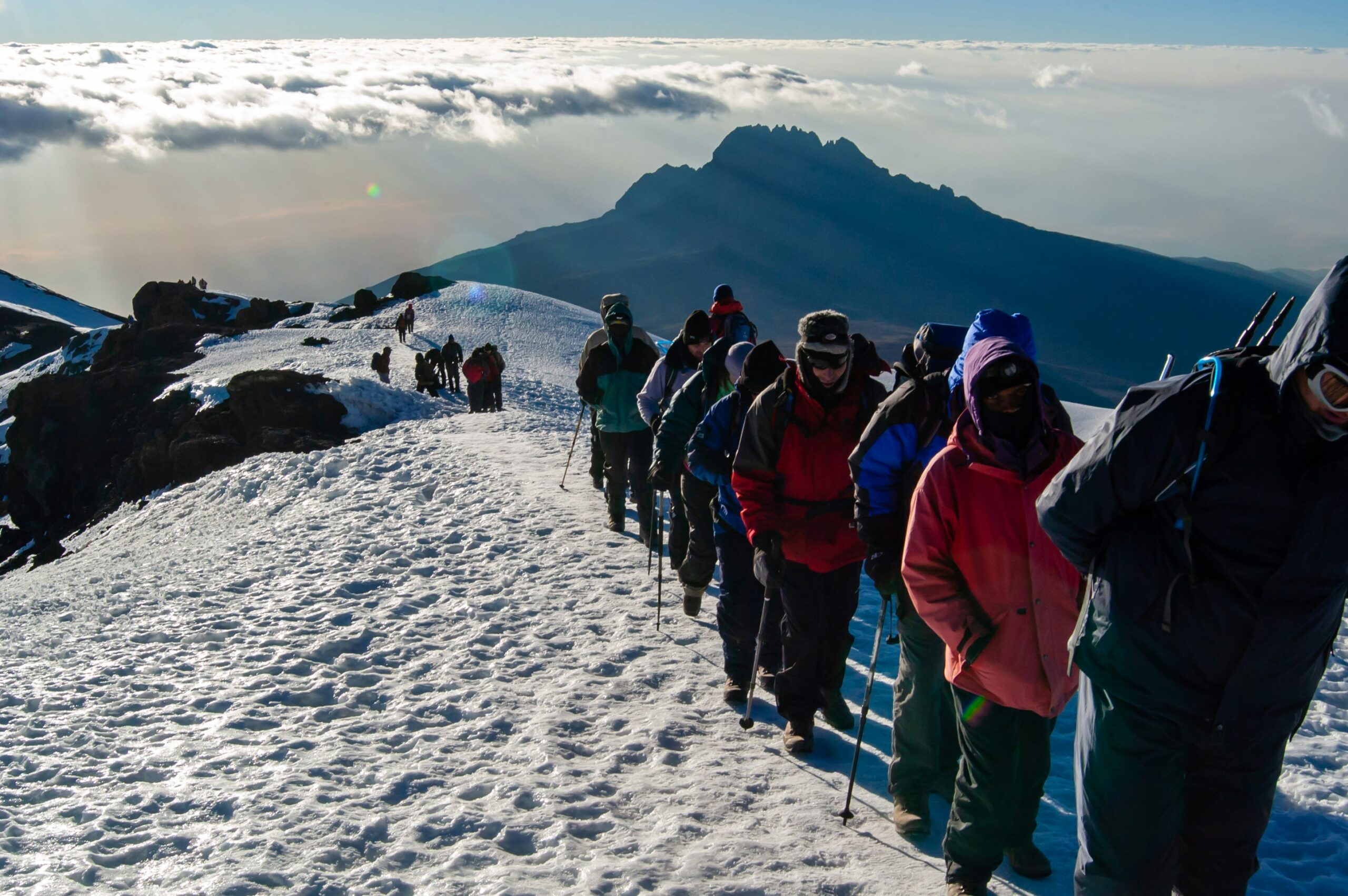
This is summit day, the most demanding and most rewarding stage of the climb. You will begin the ascent during the night, climbing slowly by torchlight toward the crater rim and then onward to Uhuru Peak, the highest point on Mount Kilimanjaro at 5,895 metres. Tanzania National Parks identifies Uhuru Peak as the summit point of Kilimanjaro and Africa’s highest point.
Reaching the summit is a powerful moment that many travelers describe as the highlight of the entire experience. After time at the top for photos and celebration, you will begin the descent back to Barafu Camp for a short rest, then continue down to Mweka Camp for your overnight stay.
This is the longest day on the mountain and requires determination, patience, and a steady pace, but it is also the day that brings the achievement climbers have been working toward from the start.
Meals: Breakfast, Lunch, Dinner
After breakfast, you will continue descending through the forest zone to Mweka Gate, where the climb officially ends. This final stretch often feels lighter and more relaxed, as the pressure of the summit has passed and the sense of achievement is fully present.
At the gate, you will complete exit formalities and receive your summit certificate if successful. You will then be transferred back to your hotel in Moshi for a well-earned shower, rest, and celebration.
Meals: Breakfast, Lunch
After breakfast, you will be transferred to the airport for your departure, depending on your flight schedule. If you are continuing with a safari or Zanzibar extension, onward arrangements can be made accordingly.
This marks the end of your Kilimanjaro adventure — a journey through changing landscapes, physical challenge, and one of Tanzania’s most iconic travel experiences. Kilimanjaro National Park is also a UNESCO World Heritage Site, further underscoring the mountain’s global significance.
Meals: Breakfast
Price is based on:
Note:
The price may vary depending on group size, hotel category, and climbing season.
When planning a Tanzania safari, one of the biggest decisions...
Read MoreAfter days of early morning game drives, dusty safari roads,...
Read MoreSerengeti National Park is one of the most famous safari...
Read More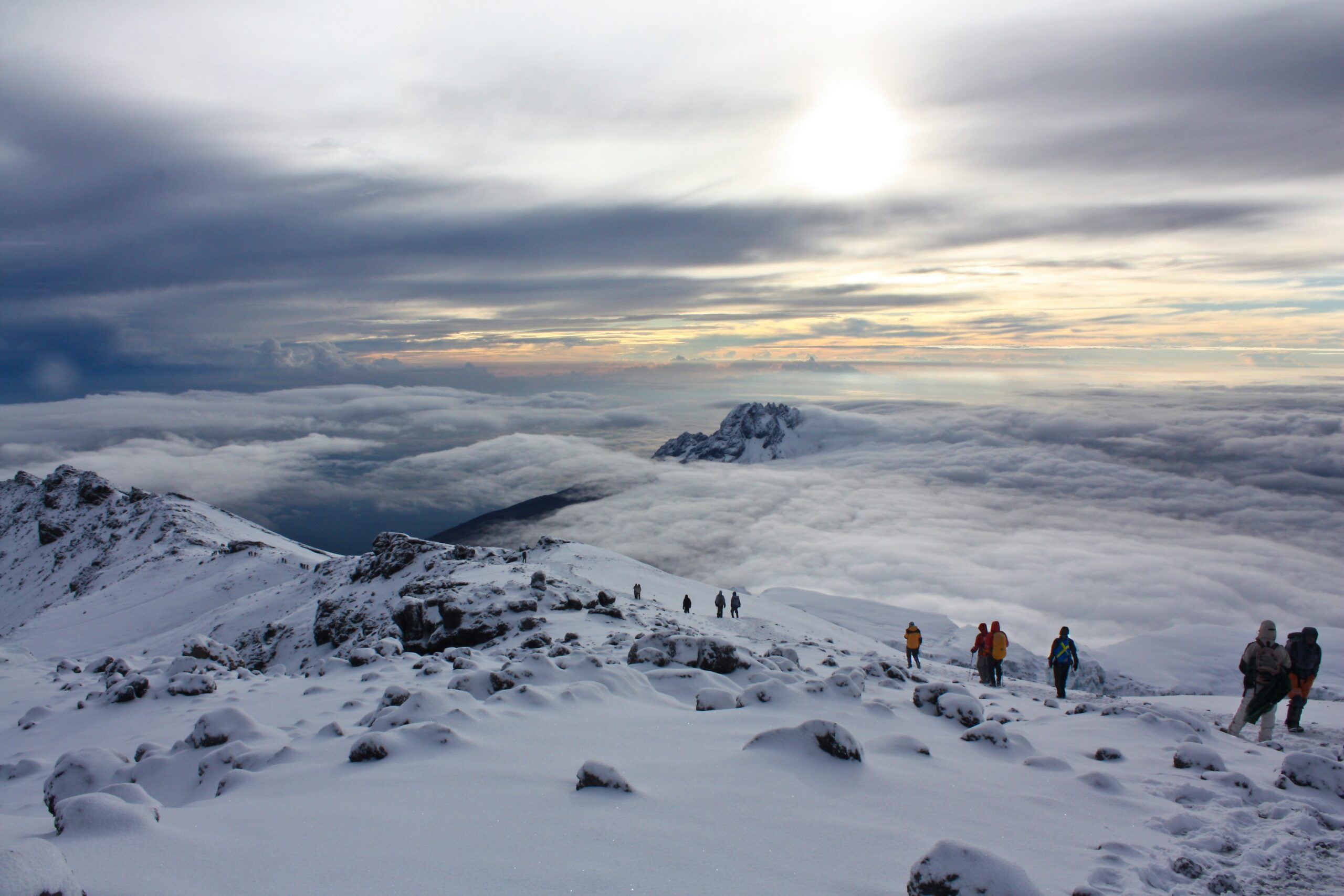
WhatsApp us