Call us: +255 659 122 583
Private Safari vs Group Safari in Tanzania: Which One Should You Book?
When planning a Tanzania safari, one of the biggest decisions...
Read More
Call us: +255 659 122 583
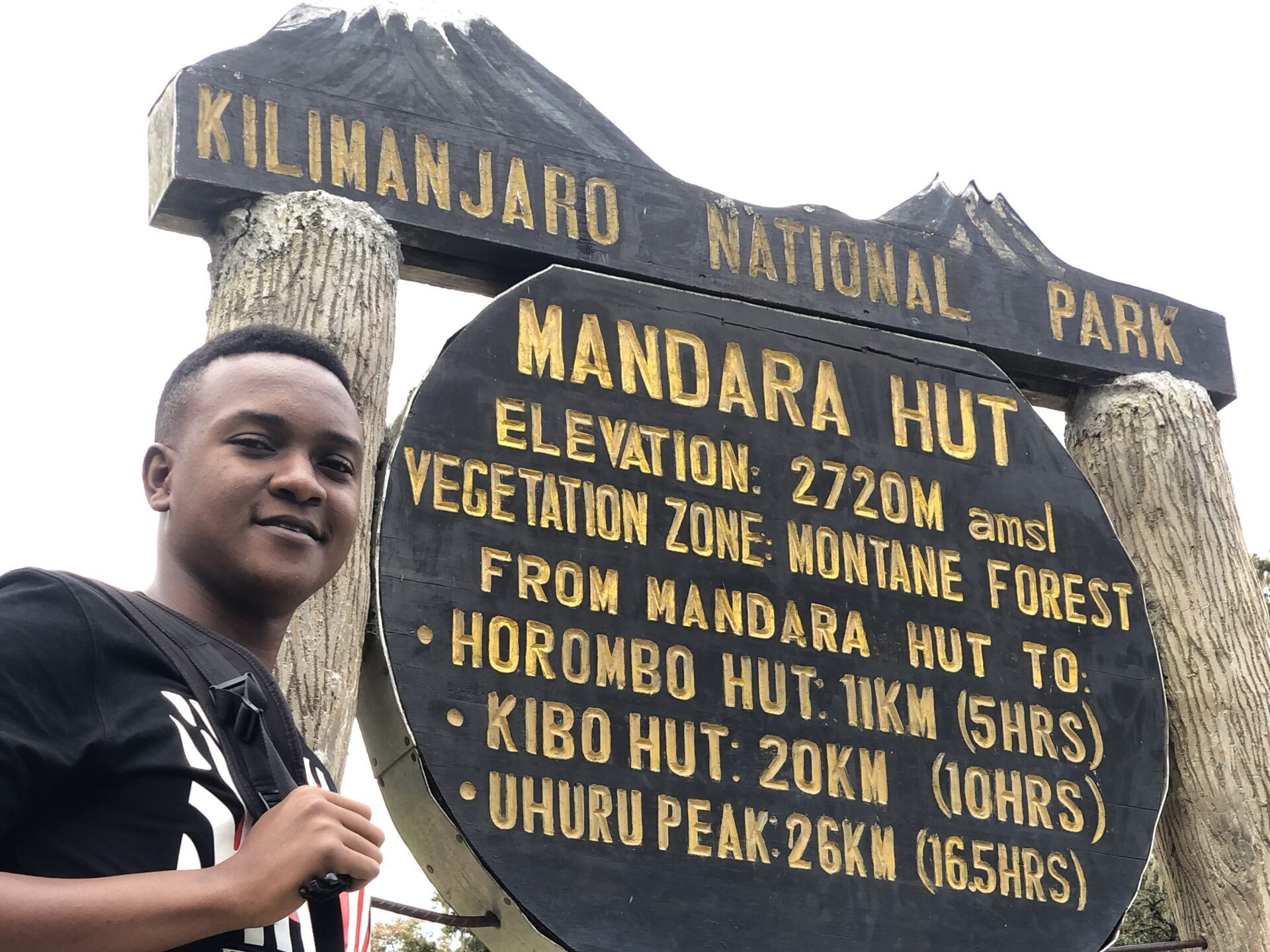
Recommended Time: 1 day hike; 6–8 days for summit climb
Best Time to Visit: January to March and June to October are commonly preferred climbing seasons
Why Visit: Kilimanjaro is Africa’s highest mountain and one of Tanzania’s strongest adventure icons, ideal for travelers who want a physical challenge and a once-in-a-lifetime achievement.
Mount Kilimanjaro is not just something you visit — it’s something you stand in front of and feel.
Rising to 5,895 meters, it is Africa’s highest peak and one of the most recognizable mountains in the world. But what makes Kilimanjaro truly special is not only its height — it’s how it exists.
It stands alone.
No surrounding mountain range. No gradual build-up. Just one massive, snow-capped summit rising above the plains of northern Tanzania. On a clear morning, it feels almost unreal — like something placed there on purpose.
For some, Kilimanjaro is a challenge to conquer.
For others, it’s something to admire, photograph, and experience from below.
And that’s the key difference most people don’t realize:
You don’t have to climb Kilimanjaro to experience Kilimanjaro.
The entire region around the mountain offers depth — culture, nature, and quiet moments that often become just as memorable as the summit itself.
Kilimanjaro doesn’t always reveal itself immediately.
You might arrive in Moshi or the surrounding villages and see… nothing. Just clouds. Just sky.
And then suddenly — often in the early morning — the clouds lift.
There it is.
Massive. Silent. Covered in snow at the top, with layers of forest and rock below.
It changes how you feel instantly.
Even travelers who never planned to climb often say:
“Just seeing it was enough.”
Because Kilimanjaro isn’t only about reaching the top — it’s about being close to something that feels bigger than you.
Most destinations offer one main experience.
Kilimanjaro offers three completely different ways to engage with it:
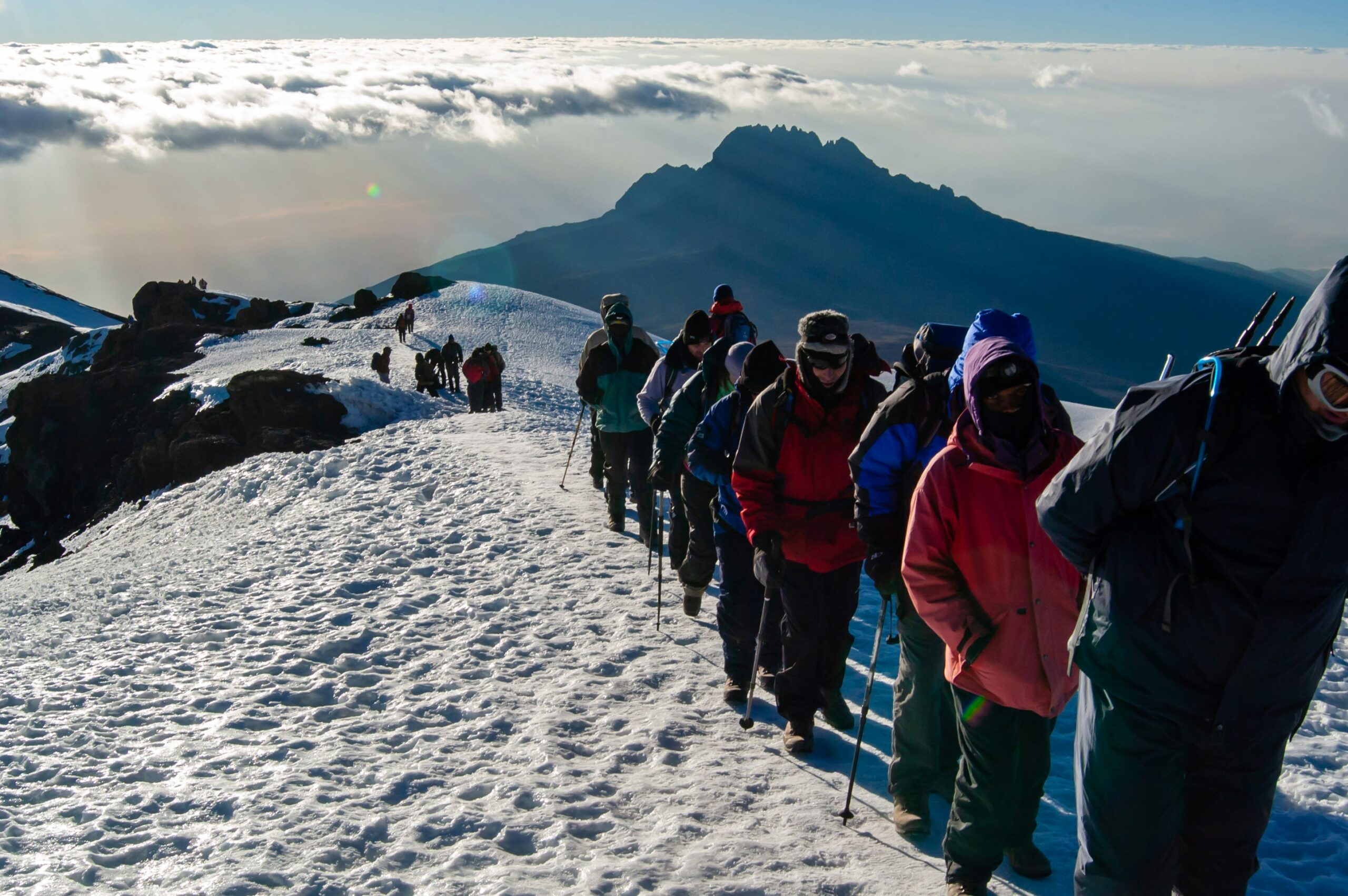
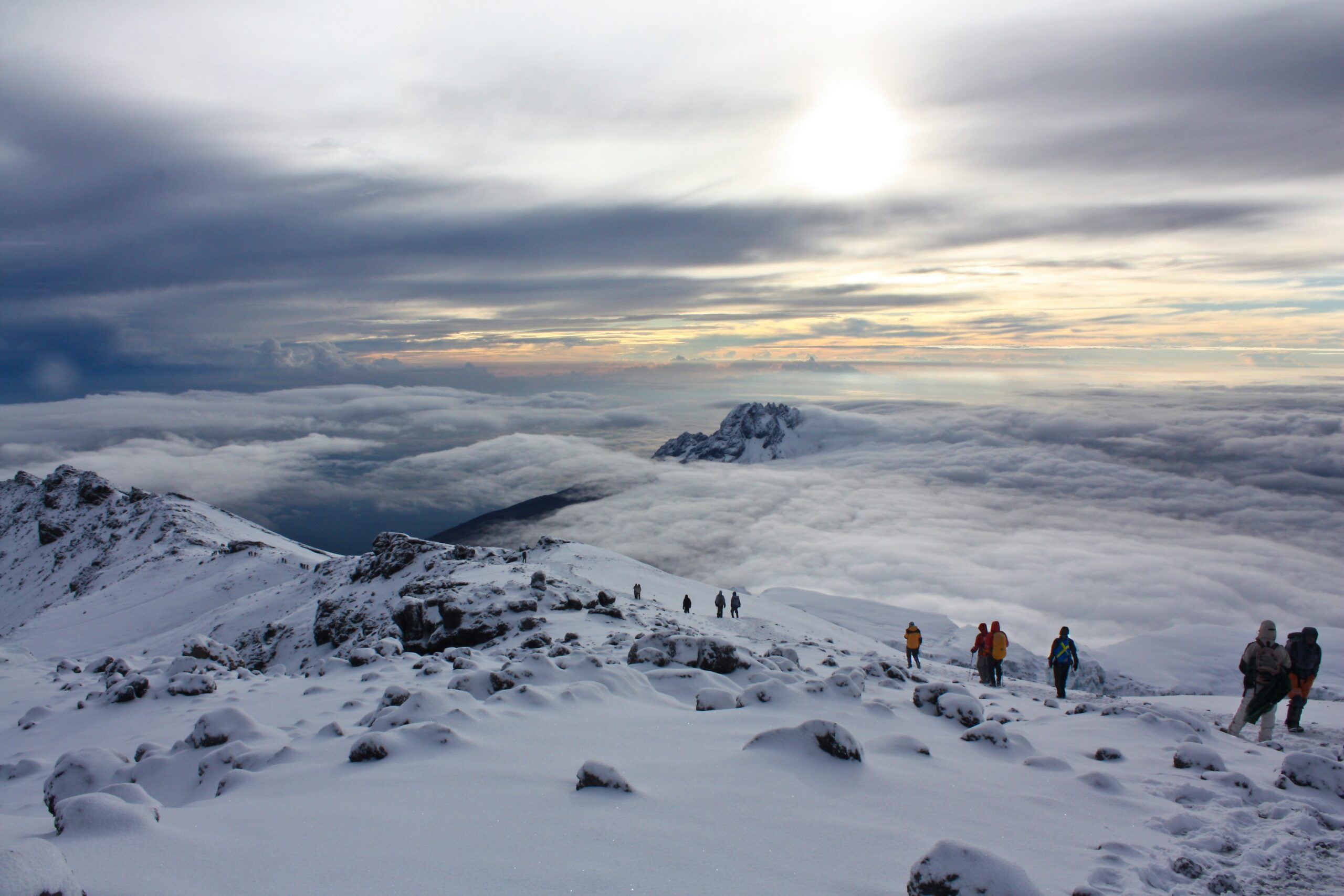
This is what Kilimanjaro is famous for.
Climbing the mountain is not technical, but it is demanding:
You move through:
Each day feels like a different world.
But here’s the honest truth:
The summit is not for everyone — and that’s completely fine.
The lower slopes of Kilimanjaro are rich, green, and full of life.
This is where:
You don’t need altitude to feel the beauty here.
In fact, many travelers find this part more relaxing and more personal.
Kilimanjaro is not just a mountain — it’s home.
The Chagga people have lived on its slopes for generations, building a lifestyle around farming, coffee production, and community traditions.
Here, you can:
This adds something many safari-only trips miss:
human connection
Imagine this:
You wake up in a quiet lodge near Moshi.
The air is cooler than the safari plains. Birds are active. The environment feels fresh.
You step outside — and if the sky is clear — Kilimanjaro is there, dominating the horizon.
Later in the day:
There’s no rush. No long game drives.
You experience a completely different side of Tanzania — green, quiet, and elevated.
Moshi is the base for Kilimanjaro and has a relaxed, welcoming atmosphere.
Here you can:
Kilimanjaro rewards patience.
The best views often come:
Capturing the mountain fully visible is a moment many travelers remember deeply.
This region is ideal for travelers who:
When planning a Tanzania safari, one of the biggest decisions...
Read MoreAfter days of early morning game drives, dusty safari roads,...
Read MoreSerengeti National Park is one of the most famous safari...
Read MorePlanning your first Tanzania safari can feel exciting and confusing...
Read MoreWhatsApp us