Call us: +255 659 122 583
Private Safari vs Group Safari in Tanzania: Which One Should You Book?
When planning a Tanzania safari, one of the biggest decisions...
Read More
Call us: +255 659 122 583
Recommended Time: 3–5 days
Best Time to Visit: June to October for classic wildlife viewing; January to March for calving season in Southern Serengeti
Why Visit: Serengeti is Tanzania’s most iconic safari destination, famous for endless plains, predator sightings, and the Great Migration.
The Serengeti is not a place you simply visit — it’s a place you step into and never fully leave.
Endless plains stretch further than your eyes can follow. The horizon feels distant, almost unreachable. And in every direction, there is movement — quiet, constant, and natural.
This is one of the last places on Earth where wildlife still lives as it always has.
No boundaries.
No interruption.
Just nature, unfolding on its own terms.
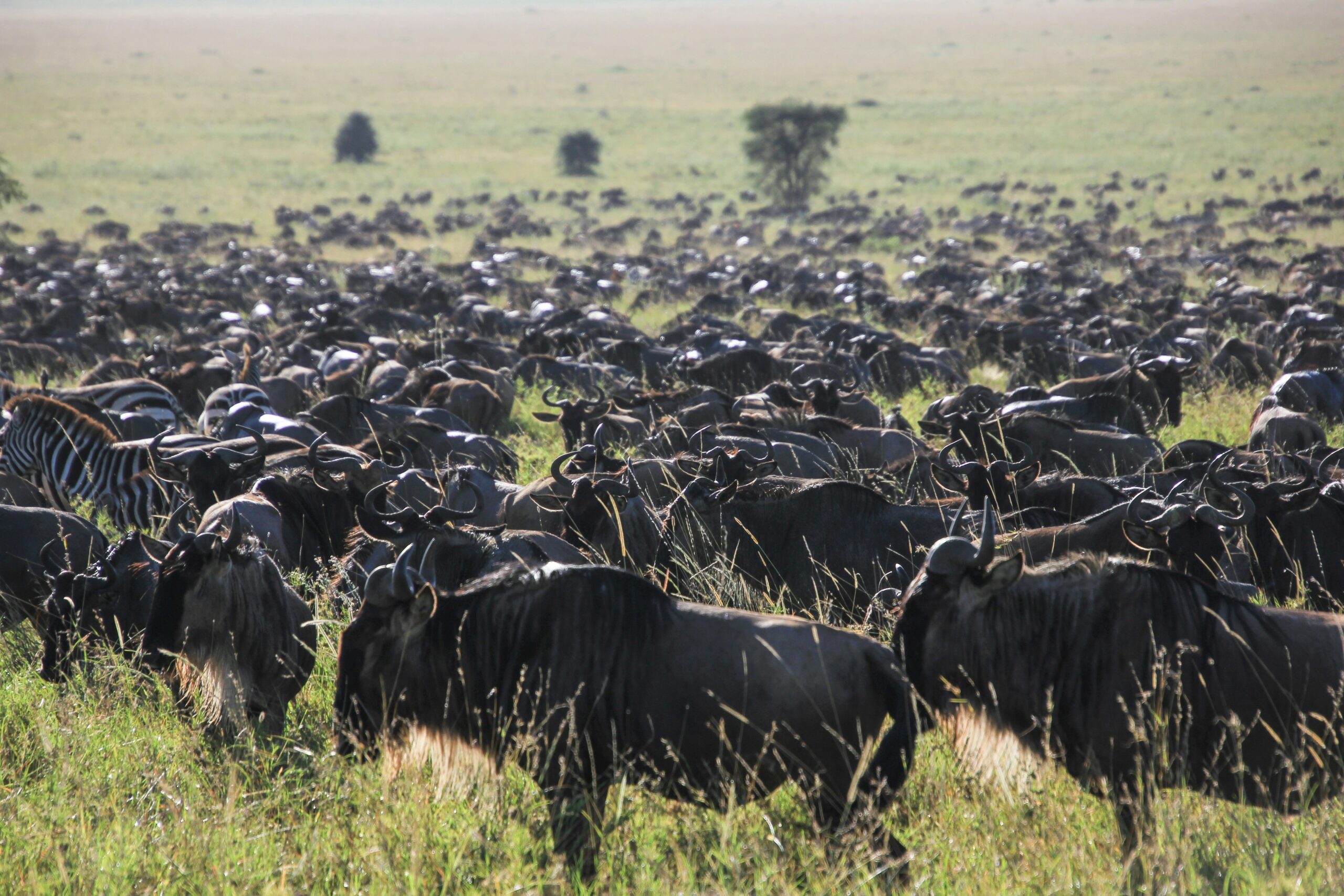
The Serengeti is world-famous for the Great Migration — millions of wildebeest and zebras moving across the land in search of fresh grazing. But beyond this extraordinary event, there is something deeper here:
a sense of space, silence, and raw authenticity that is becoming increasingly rare.
This is not just a safari destination.
This is the essence of the African wilderness.
Nothing quite prepares you for your first moment in the Serengeti.
After hours of travel — through highlands, villages, and changing landscapes — you arrive.
And then suddenly… it opens up.
No trees blocking your view.
No mountains enclosing you.
Just open plains in every direction.
You begin to understand immediately:
this is different.
The air feels wider. The silence feels deeper. Even time seems to move differently here.
And then — almost without effort — wildlife appears:
Not hidden. Not staged. Just there.
The Serengeti is not about isolated sightings — it’s about rhythm.
Every part of the day has its own character:
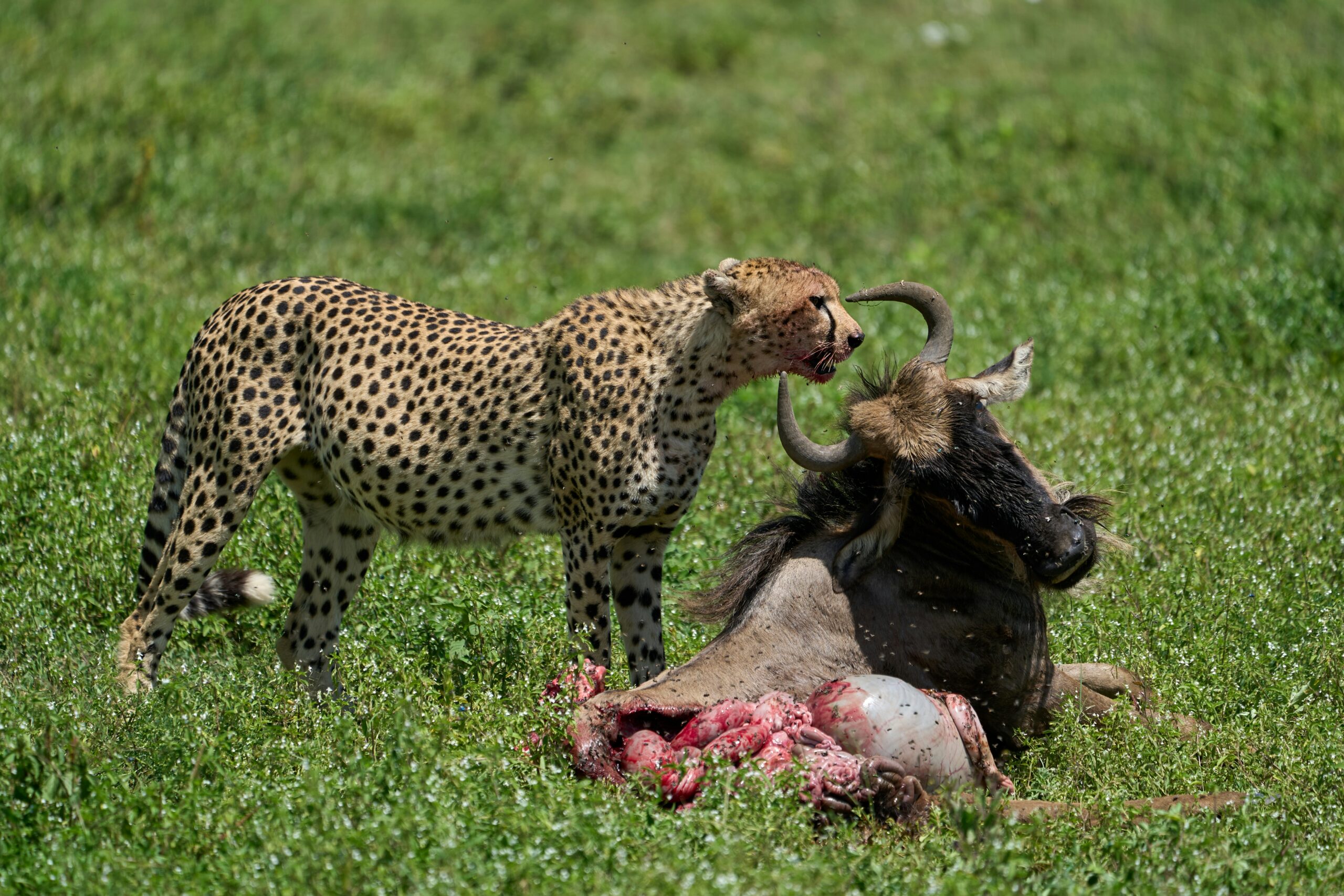
The light is soft. The air is cool. Predators are still active.
This is when you might witness:
The sun rises high, and the pace slows.
Animals rest. The landscape becomes quiet.
This is when you notice details:
The Serengeti changes again.
Light becomes golden. Shadows stretch. Activity returns.
This is when:
And as the sun sets, the entire scene feels almost cinematic.
The Great Migration is often misunderstood.
It’s not a single event.
It’s a continuous, year-round movement.
Millions of wildebeest, accompanied by zebras and gazelles, move across the Serengeti ecosystem — driven by rain, grass, and survival.
At different times of the year, you may witness:
But here’s what matters:
Even without the migration, the Serengeti remains extraordinary.
Because the ecosystem itself is always alive.
A day here doesn’t feel scheduled — it unfolds.
You start early, often before sunrise. The air is cool, and the landscape is quiet.
As the light grows, so does the activity.
You might:
There is no rush.
You don’t “tick off” animals — you stay with moments.
Midday might bring a break, either at camp or in the field.
Then the afternoon begins again — different light, different movement, new possibilities.
And at night, something even more powerful happens:
the silence.
No city noise. No artificial light.
Just the sounds of the wild.
The Serengeti offers some of the best game drives in the world.
Here, wildlife viewing is not forced — it’s natural and continuous.
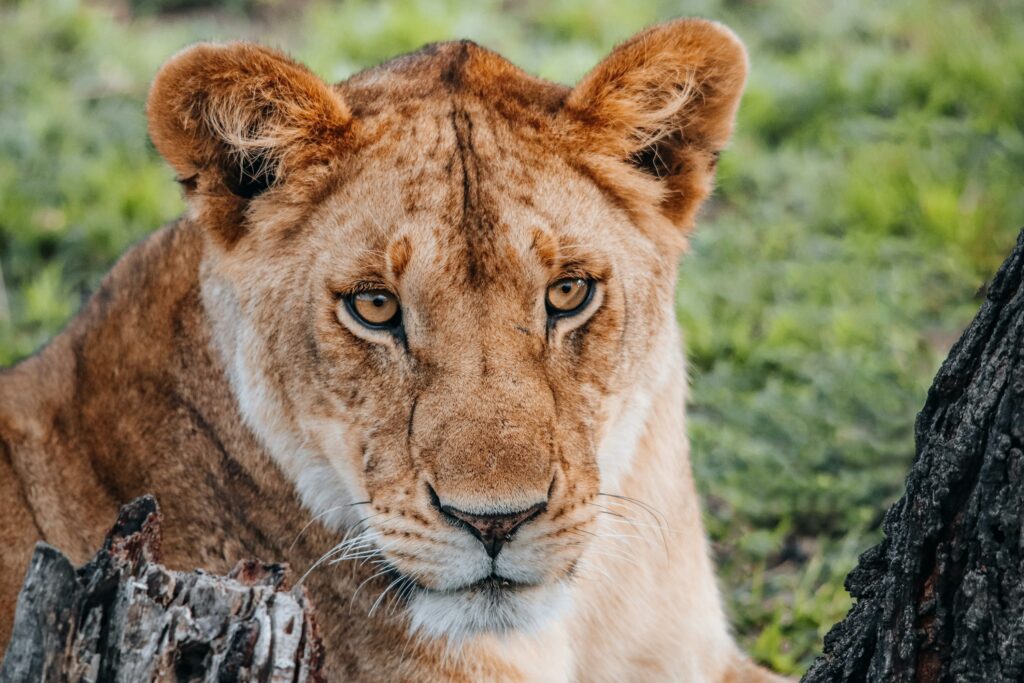
You’ll encounter:
Each drive feels different — even within the same day.
Depending on timing and location, you may experience one of nature’s greatest events.
From massive herds to dramatic river crossings, the migration is powerful — but also unpredictable.
That unpredictability is part of what makes it real.
One of the most unique ways to experience the Serengeti.
You rise before sunrise and drift silently above the plains as the day begins.
From above, you see:
It’s calm, quiet, and unforgettable.
Light defines the Serengeti.
Early morning and late afternoon offer:
These are often the most memorable moments of the entire trip.
Where you stay matters just as much as what you see.
Whether it’s:
Evenings in the Serengeti are special:
The Serengeti is a year-round destination.
Different regions offer different experiences depending on the season:
A well-planned itinerary follows the movement — not fixed expectations.
The Serengeti is ideal for travelers who:
The Serengeti is usually the highlight and longest stay in your itinerary.
Typical flow:
Why:
When planning a Tanzania safari, one of the biggest decisions...
Read MoreAfter days of early morning game drives, dusty safari roads,...
Read MoreSerengeti National Park is one of the most famous safari...
Read MorePlanning your first Tanzania safari can feel exciting and confusing...
Read MoreWhatsApp us